Plastic surgery can go wrong for many reasons, including unqualified surgeons, poor technique, or unrealistic expectations.
If your results look uneven, unnatural, or cause medical issues, revision surgery is usually possible after 6–12 months of healing.
Always discuss concerns with your surgeon first — and if needed, seek a second opinion from a board-certified specialist to plan safe corrective treatment.
In 2024, there were nearly 38 million aesthetic procedures performed in the world, which is a 40% increase from 2020. This explosion of plastic surgery has made it commonplace, and people don’t think twice about booking their treatments.
The majority of patients get the results they want, which has made people complacent. But the reality is that there’s a chance for plastic surgery to go wrong. In that case, not only can your self-esteem and confidence suffer, but you may go through health risks too.
So if you have a case of plastic surgery gone wrong, how can you tell? And what can you do?
Key Red Flags for How Plastic Surgery Can Go Wrong
Of course, you can do everything in your power to make sure that you pick the best surgeon in the world, but things can still turn out less than perfect. But there are certain things to watch out for to increase the chances of it going right.
No Board Certification
It’s absolutely essential that you choose a plastic surgeon who has board certification, as well as other credentials. This ensures that they have the proper training and experience to confidently do your procedure.
You can certainly get plastic surgery done by someone who isn’t board-certified, but that doesn’t mean you should. It’s just not worth risking your health and getting subpar results just to save some money.
Poor Online Reviews
Nowadays, we can check online reviews for practically anything, and this includes medical professionals. You can check out sites like RealSelf, where verified surgeons are thoroughly vetted.
Make sure to look past the overall score. Pay close attention to the lowest ratings; see if they’re recent and what the complaints are about.
No Before and After Photos
A reputable plastic surgeon should be proud of the work they’ve done, and they’ll want to show it off to prospective patients. Plus, they should be doing everything in their power to help people see what’s realistic (and what’s not).
Think of these images as a visual resume for the surgeon. If they won’t show that they’re qualified for the job, then it’s time to move on.
Discount Offerings
If a surgeon has a good reputation, then it should be easy to keep their schedules books with appointments. And if this is happening, then they shouldn’t have to resort to cheap tricks like offering discounts to get people through the door.
Even if they have a solid reputation, a surgeon may try offering discounts so they can later upsell patients. This isn’t an ethical practice, so it’s a red flag.
Guaranteed Results
Even the best surgeon in the world couldn’t guarantee their results, which means no one can. So if you find a medical professional who claims they can give you exactly what you want, that should raise alarm bells in your head.
No Consultation
Excellent plastic surgeons will take the time to have consultations with each potential patient. They’ll be more than happy to answer questions and concerns, as well as address what goals their patients have.
This is also a crucial appointment since surgeons need to figure out if you’re a good candidate for the procedure. This is based on a thorough assessment of your overall health, expectations, and goals.
Plastic Surgery Gone Wrong: Can I Get Bad Plastic Surgery Fixed?
The good news is that yes, in most cases, you can get bad plastic surgery corrected. In 2019, the British Association of Plastic Surgeons (BAAPS) found that 80% of surgeons experienced a significant rise in requests for revision surgery, and the majority of surgeons around the world today probably have many of these requests too.
So if you feel like your results aren’t up to par, or you’ve experienced health issues from the procedure, you’re not alone in wanting corrective surgery.
Will Plastic Surgeons Fix Their Mistakes?
Yes, they should, so you should contact your surgeon if you feel that you have subpar results. Typically, they’ll consider corrective surgery 6-12 months after your first surgery.
In most cases, they’ll waive their surgeon fee, but they may still charge for other things, such as anesthesia and facility fees. These charges will be discussed and put on paper beforehand, so you’ll know exactly what you’re paying for before you agree to revision surgery.
What Should You Do if You Have Bad Plastic Surgery?
First, meet with your surgeon to discuss your results. Bring up your concerns, whether it’s signs of infection, nerve damage, asymmetric results, etc.
Do note that some procedures will take longer than others to heal from, and you might just be going through normal things in the process. This is why it’s essential to have open and accessible communication with your surgeon, as their expertise can bring you peace of mind.
Another sensitive yet very real possibility is that you may have body dysmorphic disorder. This can affect how you see your body, including treatment results.
If you’ve determined that you truly want to have corrective surgery, then pursue it with your original plastic surgeon. Should communication with them be unsatisfactory, consider seeking a second opinion.
Document your entire journey from start to finish, as you may have to file an official complaint. This can be done with either the state medical board or the Office of Professional Medical Conduct. From there, you can hire a lawyer and pursue a lawsuit if you wish.
Don’t Let Botched Plastic Surgery Ruin Your Life
Plastic surgery gone wrong can be devastating; not only have you spent a large sum of money, but you’ve also gone through a difficult experience and had to deal with the healing process too. And the most disappointing part is that you’ve gone through these things only to have results that don’t live up to your expectations.
The good news is that you can get corrective surgery to restore your confidence. With the right medical professional, you can get the results you initially wanted, which can then give you peace of mind and satisfaction.
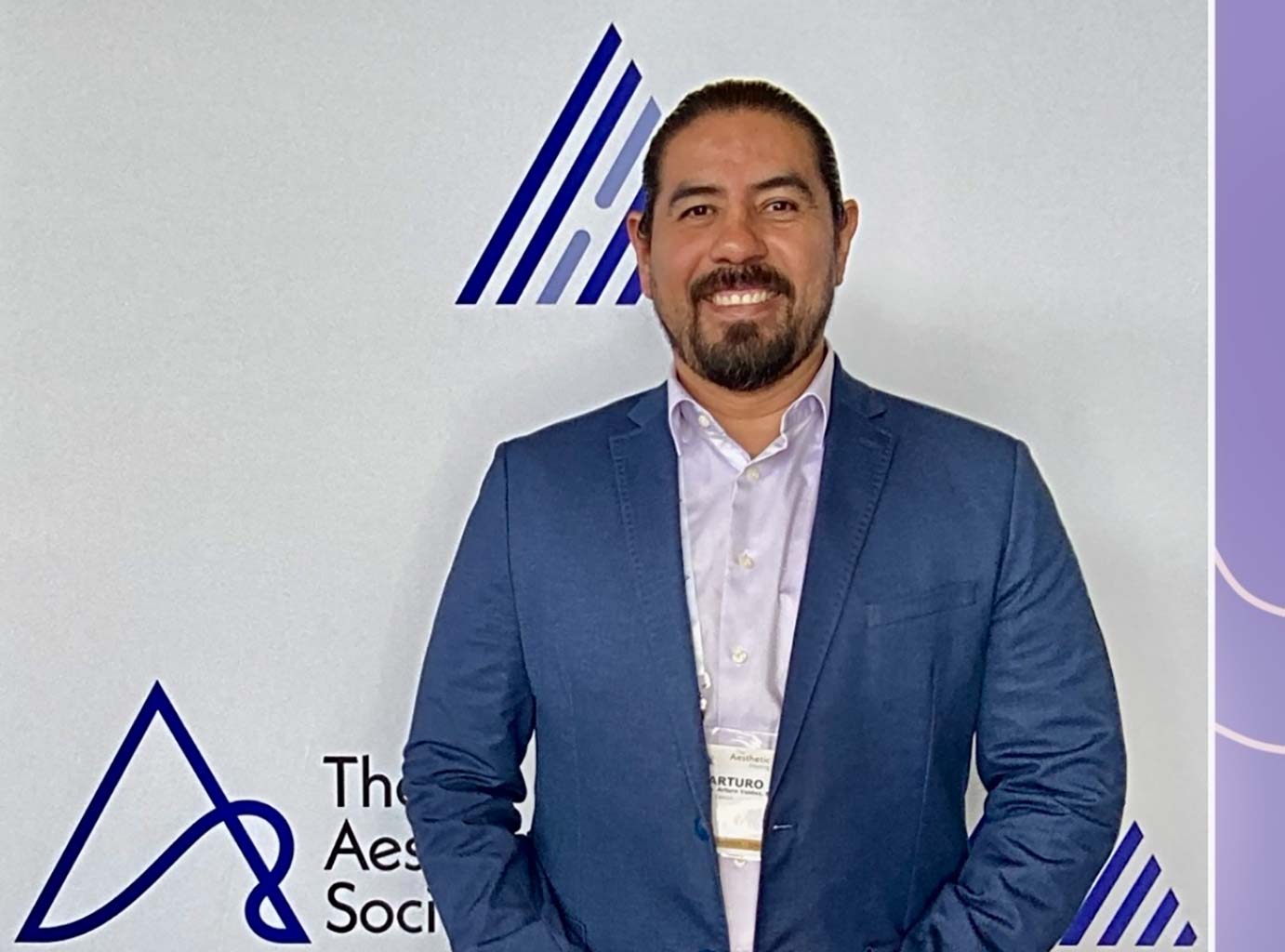
Do you need corrective surgery for your plastic surgery gone wrong? Then get in touch with us now. Dr. Valdez is a RealSelf-verified plastic surgeon who has over 17 years of experience.
References
- Botched: What to Do If Bad Plastic Surgery Happens to You. Verywell Health. Accessed November 12, 2025.
- NEW DATA: FOUR OUT OF FIVE SURGEONS RECORD RISE IN REVISIONS FOR BOTCHED PROCEDURES. Accessed November 12, 2025.
- Global Survey 2024: Full Report and Press Releases. Accessed November 12, 2025.
- If your plastic surgeon makes errors, is he responsible to fix them? RealSelf.com. Accessed November 12, 2025.
- Body dysmorphic disorder - Symptoms and causes. Mayo Clinic. Accessed November 12, 2025.