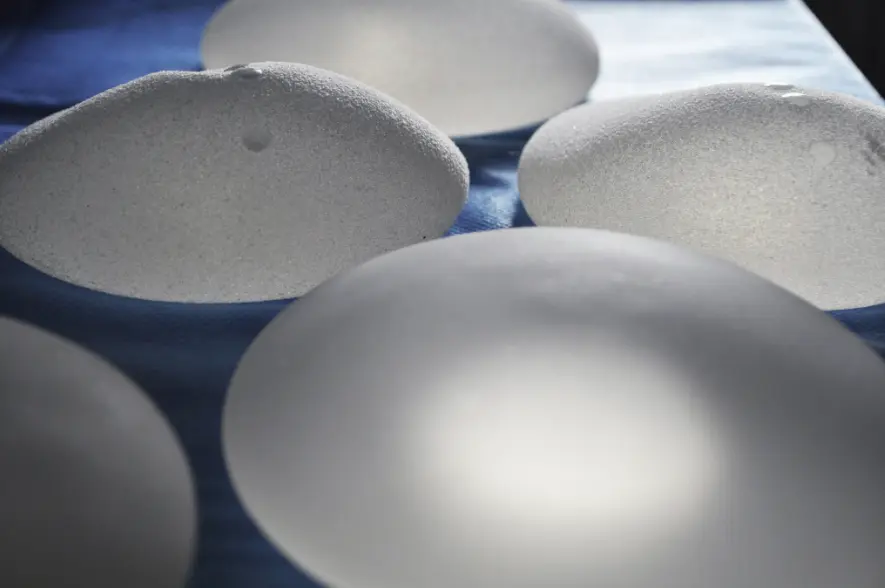
Dermal fillers are generally safe when performed by qualified medical professionals. Most side effects are mild and temporary, although risks like swelling, bruising, infection, and rare vascular complications can occur if fillers are injected improperly.
Global Market Insights reports that the global dermal filler market was valued at $6.7 billion in 2024, and it’s expected to grow to $18.5 billion in 2034. Dermal fillers are clearly trending nowadays, and it doesn’t seem like people will get tired of them either.
While these cosmetic procedures are wildly popular, that doesn’t necessarily mean that they’re safe. If you’re interested in scheduling a treatment, then you should know the full scope of side effects, risks, and level of safety before you do so.
Are Dermal Fillers Safe?
Let’s answer the most important question first. Dermal filler safety is quite high, especially when the injections are done by qualified and experienced medical professionals.
Also, as you already know, millions of dermal fillers are administered each year, all over the world. Their widespread use is largely because they’re minimally invasive by nature, plus there are quick results and relatively short recovery times involved.
However, the extent of safety depends heavily on proper medical supervision. If you have fillers done by a licensed provider, they’ll:
- Understand facial anatomy
- Use approved products
- Follow sterile techniques
All of the above can significantly reduce risks.
Complications are uncommon with dermal fillers, but they can happen if they’re injected improperly or by untrained people. This is why it’s imperative that you choose a reputable clinic and ensure the procedure is performed in a medical setting. These are key factors in achieving safe and effective results.
What Are Dermal Fillers Made Of?
There are several types of dermal fillers, but the one that’s most popular by far is hyaluronic acid fillers. As the name suggests, they’re made from hyaluronic acid, which is naturally found in the body, and it helps retain moisture and maintain skin volume.
These fillers are considered biocompatible, which means that they integrate well with the body’s tissues. This means they’re less likely to cause adverse reactions too.
Hyaluronic acid fillers are very popular because they produce natural-looking results. In addition, they can be dissolved if needed, so that offers an added level of safety.
Other filler types include calcium hydroxylapatite or poly-L-lactic acid. But in most cases, patients use hyaluronic acid fillers since they can hydrate and plump the skin while being gradually absorbed by the body.
Common Dermal Filler Side Effects
It’s normal to have side effects after getting fillers, as your body reacts to something foreign. The side effects should be mild and temporary though.
Common side effects include:
- Swelling
- Bruising
- Redness
- Tenderness
The above symptoms should resolve within a few days to a week. Do note that swelling may be more noticeable in sensitive areas like the lips.
Also, bruising can vary depending on the person and the injection technique used. You should expect tenderness or slight discomfort immediately after the injections, too.
These side effects are considered part of the body’s natural response to injections and don’t indicate anything serious. If you apply ice packs and follow aftercare instructions, you can minimize discomfort and speed up recovery.
Possible Dermal Filler Risks and Complications
Dermal fillers are considered very safe for most people when done by a licensed professional, but there are still potential dermal filler complications and risks you should be aware of.
This includes infection, which can happen if proper sterilization isn’t practiced. If the injections are done correctly, or if they settle unevenly under the skin, then you may get lumps or uneven filler placement.
Some people may have allergic reactions, but they’re rare. They’re particularly possible with non-hyaluronic acid fillers.
More serious but uncommon complications include vascular issues. This occurs when filler is accidentally injected into a blood vessel, and this can potentially lead to tissue damage.
How to Reduce the Risk of Dermal Filler Complications
You can’t completely eliminate safety risks, but you can certainly reduce them significantly. The first step in doing this is choosing a qualified and licensed medical professional, such as a board-certified dermatologist or plastic surgeon.
On the other hand, you should avoid unlicensed providers or “discount” services. These services may be tempting to use because of their prices, but it’s likely they’re using improper techniques. This can significantly increase the chances of adverse outcomes.
In addition, you should always be transparent about your medical history and any medications you’re taking. Follow proper aftercare instructions too, such as avoiding:
- Strenuous activity
- Excessive heat
- Touching the treated area
Lastly, attend all follow-up appointments. This allows your surgeon to monitor results and address any problems early.
Who Should Avoid Dermal Fillers?
While they may generally be safe, dermal fillers aren’t suitable for everyone. For example, people with certain allergies (particularly to filler ingredients), shouldn’t get fillers unless they’re cleared by a medical professional.
Also, if you have active skin infections near the injection site, then you should postpone the procedure until the area has healed. This includes:
- Acne
- Rashes
- Cold sores
There are also specific medical conditions that mean you need to avoid fillers outright or proceed with caution. In general, these are certain autoimmune disorders or bleeding disorders.
Those who are pregnant or breastfeeding should delay filler treatment since there’s limited safety data.
Why Experience Matters With Dermal Fillers
Experience matters with dermal fillers since a skilled practitioner will have a deep understanding of facial anatomy. They’ll know where blood vessels and nerves are, and this will help minimize risks and complications.
Plus, they’ll have proper injection techniques. This ensures that the filler is placed accurately for balanced and natural-looking results. They’ll do this by customizing treatments based on each patient’s unique facial structure and goals.
Should any complications arise, experienced practitioners are better equipped to handle them, too.
Dermal Fillers Are Safe to Get
So are dermal fillers safe? If you have them done by a licensed and experienced plastic surgeon, then they generally are.
It’s crucial that you don’t go for the cheapest option available. Instead, pick a trusted professional so you can thoroughly discuss your goals and receive safe injections.
Schedule a consultation with Dr. Valdez to learn more about safe dermal filler treatments and how they can enhance your natural facial features. He is a board-certified surgeon with over 17 years of experience.
References
- Hyaluronic Acid: Overview, Uses, Side Effects, Precautions, Interactions, Dosing and Reviews. Accessed April 13, 2026.
- What Are Facial Muscles? Cleveland Clinic. Accessed April 13, 2026.
- Dermal Fillers Risks and Safety. American Society of Plastic Surgeons. Accessed April 13, 2026.
- Dermal Filler Market Share, Growth Analysis Report 2025-2034. Global Market Insights Inc. Accessed April 13, 2026.
- MHS KL MD. Dermal fillers: The good, the bad and the dangerous. Harvard Health. July 15, 2019. Accessed April 13, 2026.
- Dermal Fillers: Purpose, Procedure, Recovery, Effectiveness, Risks. Healthline. April 24, 2023. Accessed April 13, 2026.
- Dermal Fillers. American Society of Plastic Surgeons. Accessed April 13, 2026.
- Dermal Fillers: What They Are, Types, Benefits & Side Effects. Cleveland Clinic. Accessed April 13, 2026.
Frequently Asked Questions
Are dermal fillers safe?
Yes, dermal fillers are generally safe when administered by a licensed and experienced medical professional using approved products and proper techniques.
What are the most common side effects of dermal fillers?
Common side effects include swelling, bruising, redness, tenderness, and mild discomfort. These symptoms are temporary and usually resolve within a few days.
What are the risks of dermal fillers?
Potential risks include infection, uneven filler placement, allergic reactions, lumps, and rare vascular complications if filler is injected into a blood vessel.
How can I reduce the risk of filler complications?
You can reduce risks by choosing a qualified provider, avoiding discount or unlicensed injectors, following aftercare instructions, and attending follow-up appointments.
Who should avoid dermal fillers?
People with certain allergies, active skin infections, autoimmune conditions, or those who are pregnant or breastfeeding should consult a medical professional before getting fillers.